The Role of AI Tools in Farming
Artificial intelligence (AI) has been making waves across various industries, and farming is no exception. The integration of AI tools in farming is revolutionizing the agricultural sector, enhancing productivity, and promoting sustainable practices. This blog post delves into the transformative impact of AI tools in farming, exploring their applications, benefits, and future potential.
The Evolution of AI in Agriculture
AI in farming has evolved significantly over the past few years. Initially, the focus was on automating simple tasks, but advancements in technology have led to the development of sophisticated AI tools capable of performing complex functions. These tools are now integral to modern farming practices, from crop monitoring to predictive analytics.
Applications of AI Tools in Farming
Precision Agriculture
Precision agriculture is one of the most prominent applications of AI in farming. AI-powered tools and sensors collect data on soil conditions, weather patterns, and crop health. This data is then analyzed to provide farmers with actionable insights, enabling them to make informed decisions about irrigation, fertilization, and pest control. For instance, AI algorithms can predict the optimal time for planting and harvesting, maximizing yield and reducing waste.
Crop Monitoring and Disease Detection
AI tools equipped with computer vision and machine learning algorithms can monitor crops in real-time, identifying signs of disease or pest infestations early. Drones and satellite imagery, combined with AI, provide detailed images of fields, highlighting areas that require attention. This early detection allows farmers to take preventive measures, minimizing crop loss and ensuring healthy produce.
Autonomous Farming Equipment
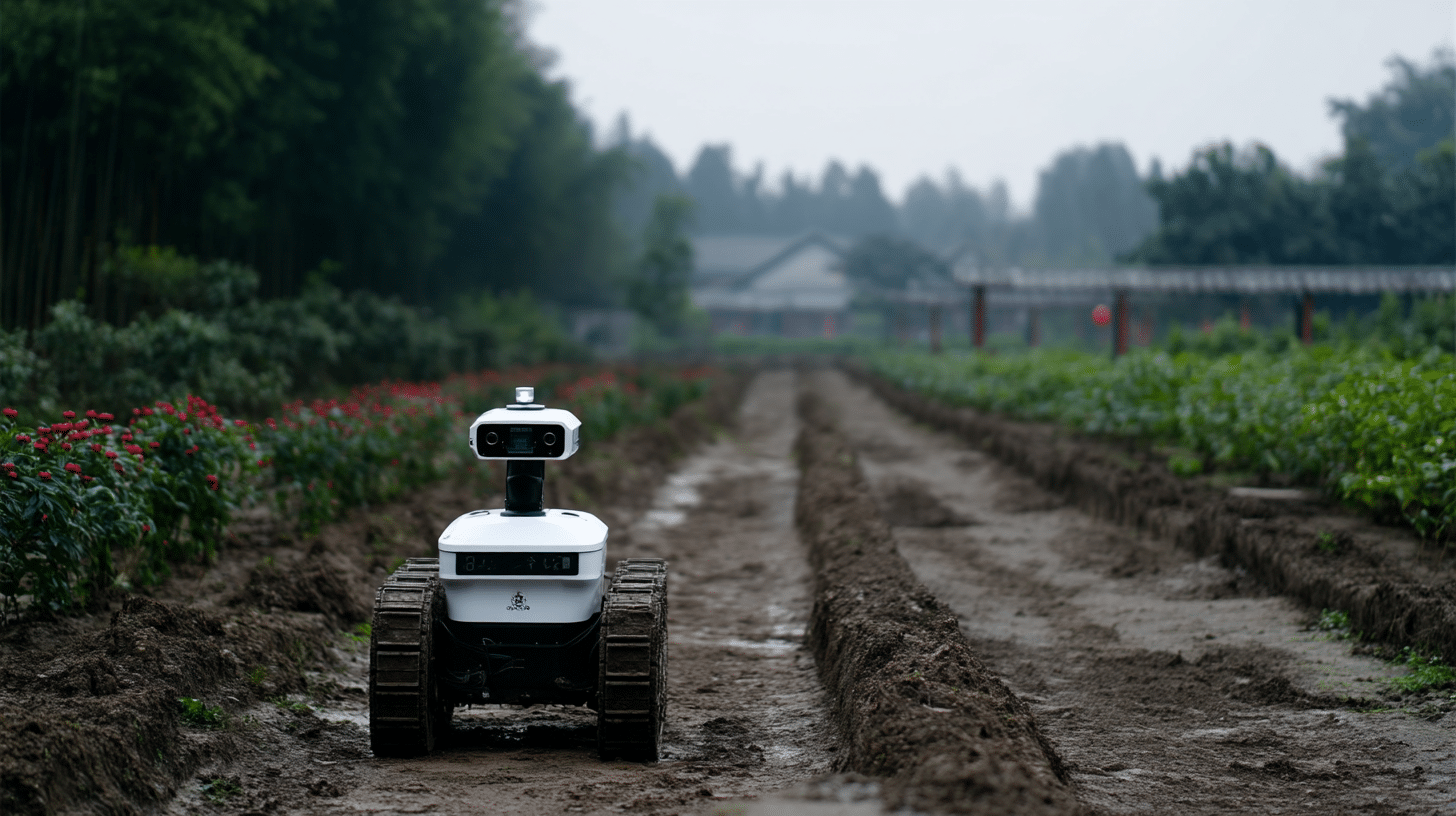
The advent of autonomous farming equipment, such as self-driving tractors and robotic harvesters, is another significant development. These machines use AI to navigate fields, perform tasks like planting and weeding, and even harvest crops with precision. Autonomous equipment reduces the need for manual labor, increasing efficiency and reducing operational costs.
Benefits of AI Tools in Farming
Increased Efficiency and Productivity
AI tools streamline various farming processes, leading to increased efficiency and productivity. By automating routine tasks and providing precise recommendations, AI allows farmers to focus on more strategic aspects of farming. This results in higher crop yields and better resource management.
Sustainable Farming Practices
AI promotes sustainable farming practices by optimizing the use of resources such as water, fertilizers, and pesticides. Precision agriculture ensures that these resources are used only when and where needed, reducing environmental impact. Additionally, AI-driven insights help farmers adopt crop rotation and soil conservation practices, further enhancing sustainability.
Cost Reduction
The implementation of AI tools can lead to significant cost savings. By reducing the need for manual labor and minimizing resource wastage, AI helps farmers cut down on operational expenses. Moreover, predictive analytics can prevent crop failures, safeguarding farmers’ investments.
Challenges and Future Prospects
While the benefits of AI in farming are undeniable, there are challenges to its widespread adoption. High initial costs, lack of technical expertise, and data privacy concerns are some of the hurdles that need to be addressed. However, ongoing advancements in AI technology and increasing awareness among farmers are likely to overcome these challenges.
The future of AI in farming looks promising, with continuous improvements in AI algorithms and hardware. Emerging technologies like blockchain and the Internet of Things (IoT) are expected to complement AI, creating a more connected and efficient agricultural ecosystem.
Conclusion
AI tools in farming are transforming the agricultural landscape, offering numerous benefits such as increased efficiency, sustainability, and cost savings. As technology continues to evolve, the integration of AI in farming will become more seamless, driving the industry towards a more productive and sustainable future. Farmers and stakeholders must embrace these advancements to stay competitive and ensure food security for the growing global population.